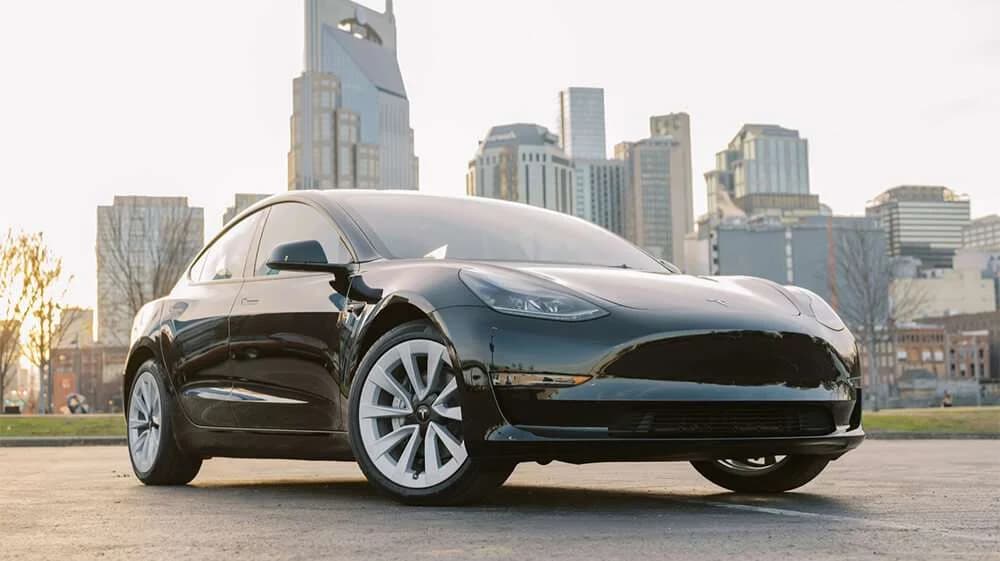
Winter EV Range and Charging: How to Plan for Cold Weather
Cold weather can reduce EV range and slow charging. Here’s how to warm up while plugged in, check tire pressure, and choose a backup charger.
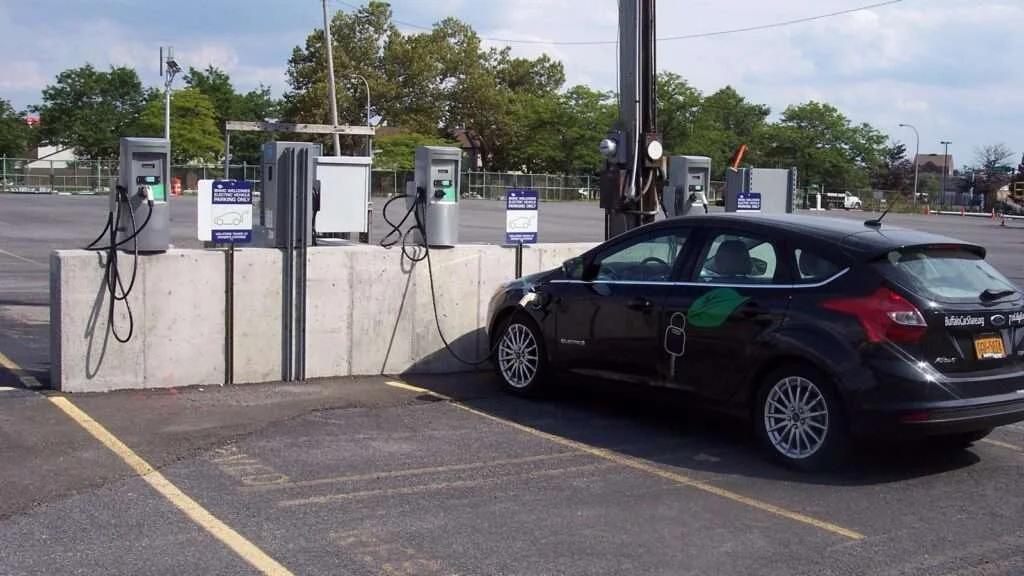
The first cold snap is a good time to review how far your electric vehicle can go between charges. Cold weather can reduce range, and a cold battery can take longer to charge. Both effects matter when a trip includes highway driving, a long stretch between stations, or a return leg after the car has sat outside.
Start with a trip you already know. Compare the car’s energy use and remaining charge with what you typically see in milder conditions. That gives you a reference for your vehicle, route, and driving habits before you plan a longer trip.
The U.S. Department of Energy’s winter guidance recommends several checks that apply before departure, including checking tire pressure, warming the cabin while plugged in when possible, and planning charging stops. The details depend on the vehicle and how it manages cabin heat and battery temperature.
Use a plugged-in warmup when available
If your vehicle supports scheduled departure or remote climate control, check the owner’s manual for how to use it while connected to a charger. Warming the cabin before leaving can shift some of that work to the plug. The car may also manage battery temperature during a scheduled warmup, depending on the model.
Look for separate settings for cabin climate and battery preparation. Some vehicles warm the battery for a fast-charging stop when you select a charger in the built-in navigation. Your manual can tell you whether that feature exists, whether it requires a particular charger selection, and when it operates.
At a public station, charging speed also depends on the charger, the vehicle’s limits, and the battery’s charge level. A station’s advertised maximum is a ceiling under suitable conditions. Build some flexibility into the stop if the car has been parked outside in freezing temperatures.
Check the tires and watch your actual energy use
Check pressure when the tires are cold, before a long drive has warmed them. Use the pressure specified on the driver’s door placard or in the owner’s manual. Cold air can lower tire pressure, and underinflated tires make the vehicle work harder to move.
Once you leave, monitor the trip estimate and charge level as you go. Strong winds, higher speeds, climbing, and cabin heat can all change the rate at which you use energy. If you are using more charge than expected in the first part of the trip, revise your charging plan while several stations are still within reach.
Where your vehicle has heated seats or a heated steering wheel, the Energy Department suggests using those features to help you stay comfortable with less cabin heating. Keep the windshield and windows clear and use defrost whenever visibility calls for it. Check the owner’s manual for the vehicle’s climate controls and winter driving settings.
Plan a primary charging stop and a backup
For a trip beyond your normal range, mark a compatible charger before you leave. Confirm its connector, operating hours, and access instructions. Make sure you have the app, payment method, or adapter needed at that site if your vehicle requires one.
Pick a second compatible location you could reach if the first station were full or unavailable. A backup near the first station is more practical than one farther along a route with no other options. Leave enough charge to use it after driving through the weather and traffic you expect.
Build a little extra time into a trip that has a fixed arrival deadline. If you arrive at a station with a cold battery or find a queue, the stop can take longer than it does on a warm day. If conditions worsen, check road information and charger status before committing to a stretch with few alternatives.
Include the parked hours and the drive home
Check the return leg separately if your car will be parked in the cold at your destination. You may need cabin heat again, and charging options could be different when you leave. If your destination has charging, verify whether it is available to visitors and whether the parking lot stays open at your departure time.
At home, covered parking can help protect the car from the cold when you have that option. If you charge outdoors, follow the equipment instructions and keep the connector and charge port clear. Check whether the cord can reach safely after snow removal or a change in parking position.
After the first few cold trips, review how much charge you used and how long your usual stop took. Make note of the conditions that made the biggest difference, such as a headwind or a long outdoor stop. Use that experience to adjust the departure charge and charging stops for the next trip.
If you have more than one route, compare where charging is available as well as the mileage. A slightly longer route can give you more places to stop and more flexibility if a station is busy. On unfamiliar roads, check whether the chargers are accessible in winter and whether a stop requires a detour from the highway.
Sources
- U.S. Department of Energy winter EV guidance
- Alternative Fuels Data Center battery electric vehicle basics
- Energy Department research on cold-weather efficiency
Archive photo: Fortunate4now via Wikimedia Commons, CC0 1.0, cropped. Original image · License