


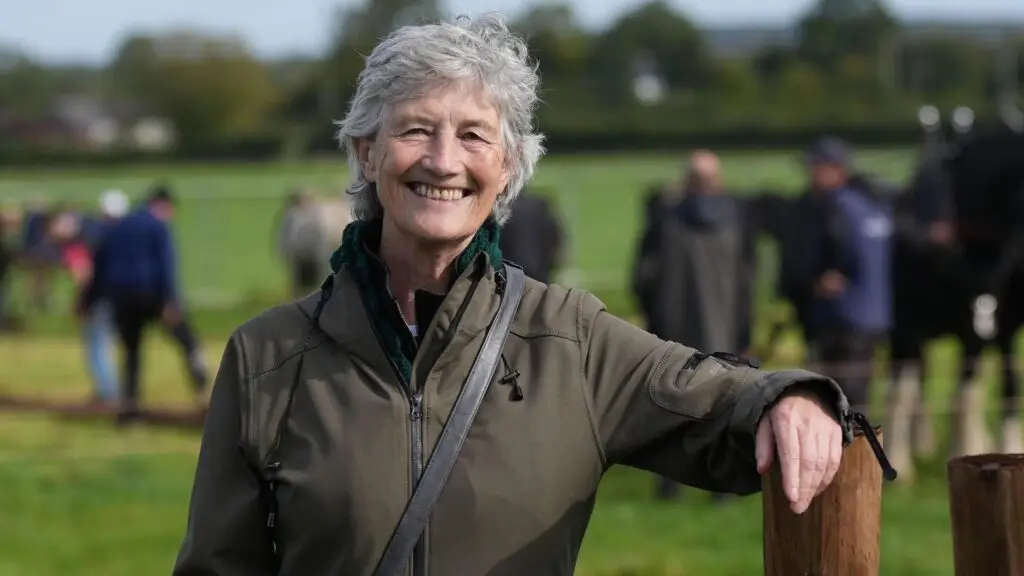
Left-wing independent Catherine Connolly looks poised to become Ireland’s next president after her rival Heather Humphreys conceded, in an outcome described as clear and decisive by senior figures.
What’s happening
Count-in across all 43 constituencies is under way, with hand-counts continuing into Saturday and the final result expected later this evening. Early tallies suggest Connolly is well ahead of Humphreys.
Humphreys publicly conceded defeat, congratulating Connolly and wishing her “all the very, very best”. Connolly enjoys backing from an alliance of left-leaning parties and strong support among younger voters. Her campaign emphasised social justice, criticism of Israel’s Gaza war, and a more progressive foreign-policy posture.
Polling and reporting indicated that Connolly had consistent support, and the race tightened further in her favour after Jim Gavin of Fianna Fáil withdrew from active campaigning weeks ago (though his name remained on the ballot). At the same time, observers have highlighted a worrying trend: the number of spoiled votes is unusually high, and voter turnout appears low in several constituencies – raising alarms about disengagement from formal politics.
Key points
- Labour, Sinn Féin and the Social Democrats rallied behind Connolly, providing a broad-based platform across the left spectrum.
- Humphreys, who ran as the centre-right candidate, acknowledged her campaign was not enough to overcome Connolly’s lead and thanked her supporters while noting that her family had faced abuse during the campaign.
- Deputy Prime Minister Simon Harris described the result as “decisive and clear”, praised the campaigns’ tone, and signalled an openness to reviewing nomination thresholds and cross-party engagement to refresh the democratic process.
- Analysts emphasise that while the presidency in Ireland is mostly ceremonial, the political signal of this result is strong: voters appear to have awarded a decisive mandate to a candidate with a clear platform rather than a more neutral “establishment” figure.
- The high level of spoiled ballots and low turnout raise troubling questions about voter disillusionment. Some interpret this as a sign that many citizens feel none of the candidates sufficiently represented their views, or that they have stepped away from political engagement entirely.
Context and implications
If confirmed, Connolly will become the third woman to hold the office of President of Ireland. Her background as a former barrister, independent deputy and social-justice campaigner set her apart from previous holders of the largely symbolic role. Her election will mark a moment of departure – or at least signal a shift – from the politics of consensus and establishment toward a more assertive progressive posture.
That said, the real work begins now. A president with a political identity must manage the tension between constitutional impartiality and advocacy. Irlanda’s domestic and foreign policy agenda will be closely watched: Connolly’s outspoken views on Gaza, Irish neutrality and EU military policy are more radical than those of her predecessors. Some worry this could strain Dublin’s relationships with European and transatlantic partners.
On the democratic front, the election acts as a flashpoint for reflection. What does the large number of invalid ballots say about the health of Irish democracy? Will left-wing realignment consolidate around figures like Connolly? And will the opposition parties capitalise on this momentum, or revert to business as usual? The government may also face fresh pressure to revisit how presidential candidates are nominated, how to make the role more engaging and how to rebuild trust with a disengaged electorate.
In short, while the office may be ceremonial, the outcome of this election sends a clear message: Irish voters are ready for change – and they chose a candidate who offered it. Whether the institutions and parties respond remains to be seen.