

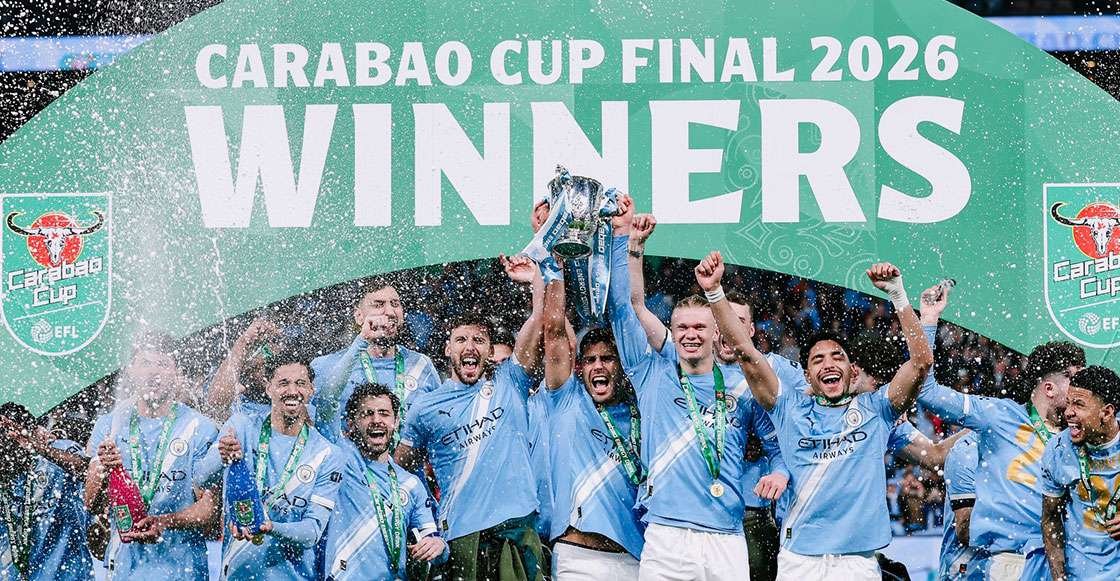
Manchester City’s Carabao Cup final win over Arsenal has ignited debate about goalkeeping choices and a wider cup final goalkeeper controversy, as well as renewed scrutiny of showboating in high‑stakes matches.
What's happening
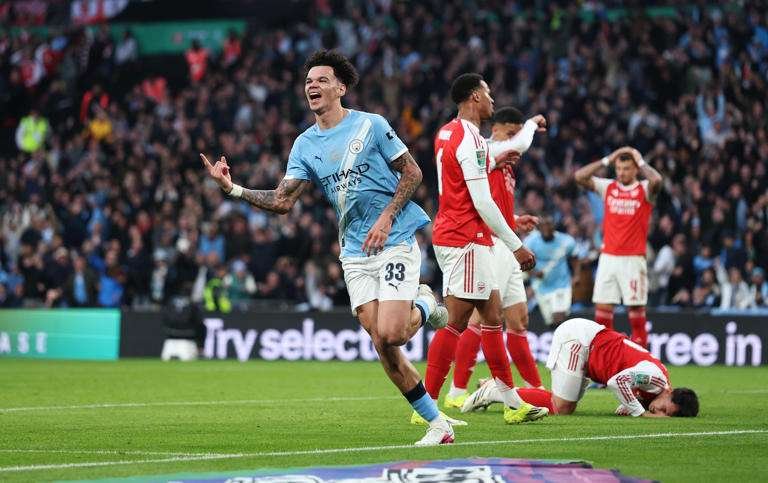
Manchester City beat Arsenal 2-0 in the Carabao Cup final at Wembley, with two second-half goals from Nico O'Reilly. The match has become a focal point for scrutiny of Arsenal manager Mikel Arteta’s “sentimental” decision to start Kepa Arrizabalaga in goal and for discussion of Rayan Cherki’s late-game showboating, which divided opinion among pundits, players, and supporters.
Key points
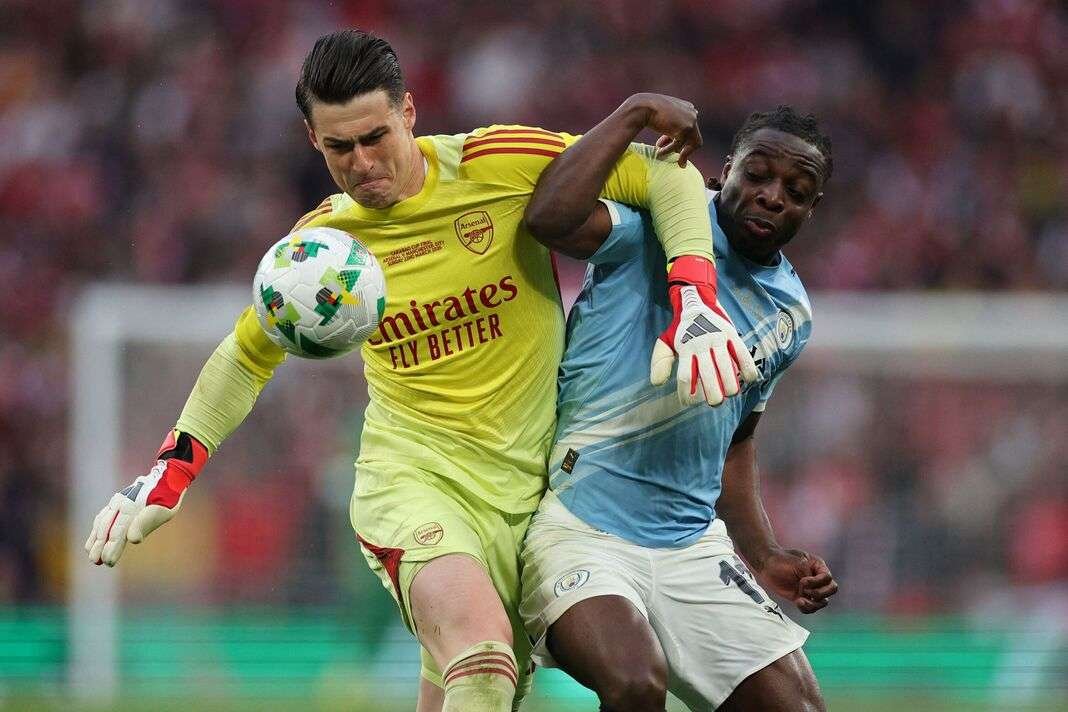
Arteta selected Kepa as Arsenal’s cup goalkeeper over Premier League regular David Raya, arguing it would have been unfair to drop Kepa after he started every previous round and insisting he acts on what he believes is right.
Kepa made a costly error on Rayan Cherki’s cross, failing to hold a routine ball and allowing Nico O’Reilly to head in City’s opener before O’Reilly added a second four minutes later for a 2-0 City victory.
The result ended Arsenal’s hopes of an unprecedented quadruple, despite their nine-point lead at the top of the Premier League, and Arteta described the defeat as “a hard one to take” and said he was “very sad.”
City goalkeeper James Trafford, re-signed to be City’s number one before Gianluigi Donnarumma’s arrival, produced a vital triple save from Kai Havertz and Bukayo Saka and kept a clean sheet, drawing a sharp contrast with Kepa’s display.
Former striker Chris Sutton criticised managers who field second-choice goalkeepers in cup finals, arguing that the best available keeper should always start when a trophy is at stake.
Cherki’s 68th-minute ball-juggling sequence, labelled arrogant by some and seemingly unwelcome to Pep Guardiola, was defended by analysts as mostly playful showmanship that did not meaningfully harm City’s game plan.
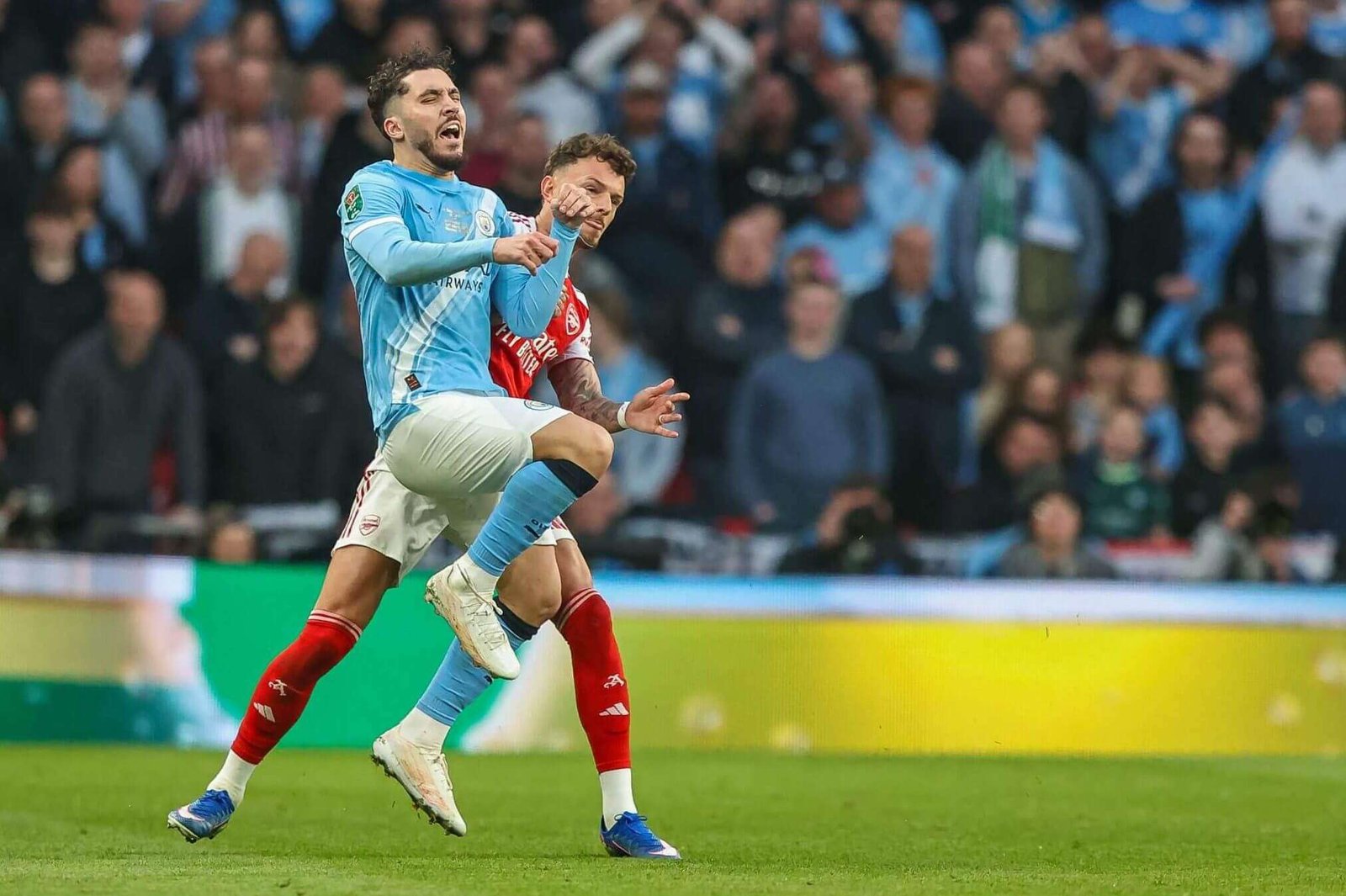
The final highlights how selection loyalty can clash with performance pragmatism, especially for goalkeepers whose errors are decisive. Arteta’s stance that errors are part of football underscores managerial trust, but criticism may strengthen arguments for always picking the undisputed number one in major finals. Cherki’s showboating episode captures shifting norms around expression and respect in elite football; further flashpoints may shape how coaches and leagues respond to similar displays.
