

Design as a Cultural Force
Design, Aesthetics, and Societal Values
Design is often associated with aesthetics and the visible expressions of design and culture — beautiful objects, elegant interfaces, stylish branding. But design is far more than decoration. It is one of the most powerful cultural forces shaping how we live, think, and interact with the world. At its core, design reflects the values of a society. Every era has its visual language.
Cultural Expressions in Global Design Traditions
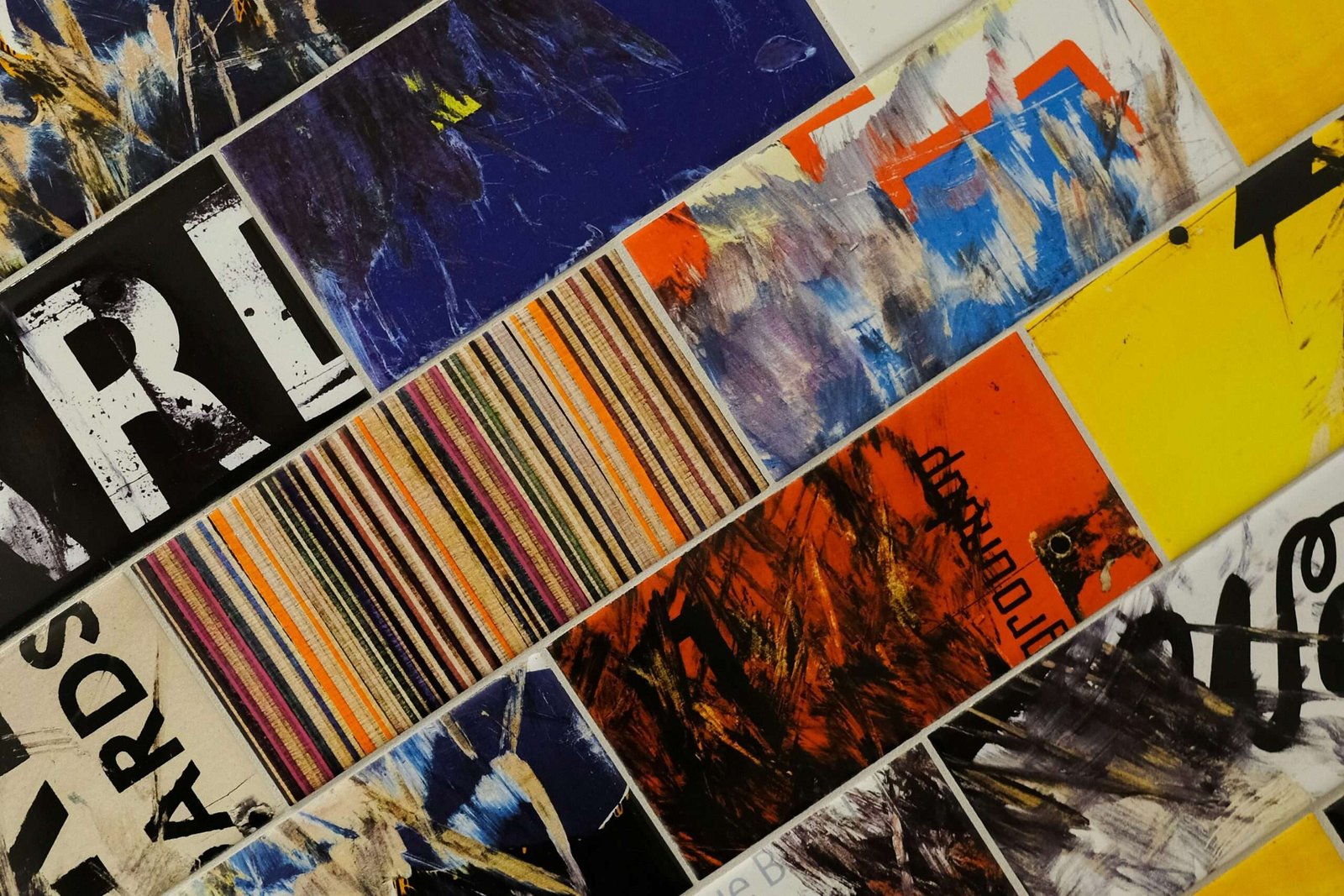
The minimalism of Japanese interiors reflects a cultural appreciation for harmony and simplicity. Scandinavian furniture emphasizes functionality and equality. Italian design often expresses craftsmanship and emotional warmth. Through materials, colors, and forms, design communicates what a culture values.
How Design Shapes Culture and Behavior
However, design does not only reflect culture — it actively shapes it. Consider the rise of digital platforms. The design of social media interfaces has transformed how people communicate, form opinions, and even perceive themselves. The simple “like” button has influenced social validation. Infinite scrolling has reshaped attention spans. Notification systems have altered daily routines. These are not accidental outcomes; they are the result of deliberate design decisions.
The Built Environment and Social Interaction
Architecture also shapes culture. Urban design determines how people interact in public spaces. Open offices influence collaboration and productivity. Public transportation systems affect accessibility and economic mobility. The physical environment we inhabit is designed — and that design guides behavior.
Evolving Cultural Priorities and Design Responses
In recent years, cultural shifts have also reshaped design itself. Growing environmental awareness has driven sustainable design practices. Social movements have encouraged inclusive and accessible design. The demand for transparency has influenced branding and communication strategies. As society evolves, design adapts in response.
The Non-Neutral Nature of Design
Perhaps the most important realization is this: design is not neutral. Every design choice carries assumptions about users, behaviors, and values. Whether in technology, fashion, architecture, or media, design subtly communicates what is important and what is not.
Design’s Role in the Digital Age and Modern Culture
In the digital age, where most human interaction is mediated through screens, design has become even more influential. User experience design shapes how people access information, make decisions, and engage with services. In many ways, design now defines modern culture as much as art, politics, or economics.
Ultimately, design is both a mirror and a driver of society. It reflects who we are — and quietly influences who we become.