National Diabetes Month Highlights Risks and Support Services
National Diabetes Month puts prevention and support in focus. Federal health resources explain the condition, and Hines VA has announced an awareness event.
November is National Diabetes Month, and federal health agencies are directing attention to the condition, its complications and available support services. The National Institute of Diabetes and Digestive and Kidney Diseases describes this year's focus as taking action to prevent diabetes-related health problems.
For U.S. adults, the observance is an opportunity to understand the difference between general awareness information and advice tailored to an individual. Diabetes is not one uniform diagnosis, and a public information campaign does not establish whether a particular person has the condition.
The month's activities include a free awareness event at Hines VA in Illinois on November 13. That local event offers one example of how the national observance connects with services available to veterans, caregivers and staff.
What federal resources explain
CDC describes diabetes as a long-lasting condition affecting how the body turns food into energy. Insulin helps glucose move from the bloodstream into cells; diabetes involves insufficient insulin or difficulty using it effectively.
The agency identifies three main types: type 1, type 2 and gestational diabetes, which occurs during pregnancy. Those labels describe different conditions and should not be treated as interchangeable explanations for someone's symptoms or care needs.
CDC also distinguishes prediabetes, in which blood sugar is above normal but below the level used for a type 2 diabetes diagnosis. Its overview notes that type 2 diabetes can develop over years and that people may not notice symptoms.
Awareness includes long-term health concerns
NIDDK's campaign page explains that high blood glucose can affect the eyes, kidneys, nerves and heart. It frames diabetes awareness around reducing health problems rather than focusing only on a single blood sugar reading.
The institute identifies age 35 or older, a family history of diabetes, prediabetes and other factors among characteristics associated with a higher likelihood of developing type 2 diabetes. A risk factor is not itself a diagnosis, and a list in a general article cannot determine an individual's condition.
The public resources discuss several aspects of ongoing care, including blood glucose, blood pressure and cholesterol. They also emphasize working with health professionals; the information is not a reason to start, stop or change a medicine independently.
A November event connects veterans with information
Hines VA has scheduled its World Diabetes Day awareness event for Friday, November 13, from 11 a.m. to 1 p.m. Central Time, or noon to 2 p.m. Eastern. It will take place in the main lobby at 5000 South 5th Avenue in Hines, Illinois.
The announcement says representatives from multiple disciplines will share educational material, answer questions and highlight programs for veterans living with diabetes or at risk of developing it. The listed cost is free, and veterans, caregivers and staff are encouraged to attend.
The event page was last updated October 23. Readers considering a visit should check that listing for any subsequent changes; the announcement does not promise an individual diagnosis, screening result or treatment at the event.
For people outside that area, the linked CDC and NIDDK pages provide national background and explain the role of professional support. A local event and a national awareness month serve different audiences, but both can help readers identify questions to discuss with their own care team.
This article is for general information and is not medical advice.
Sources
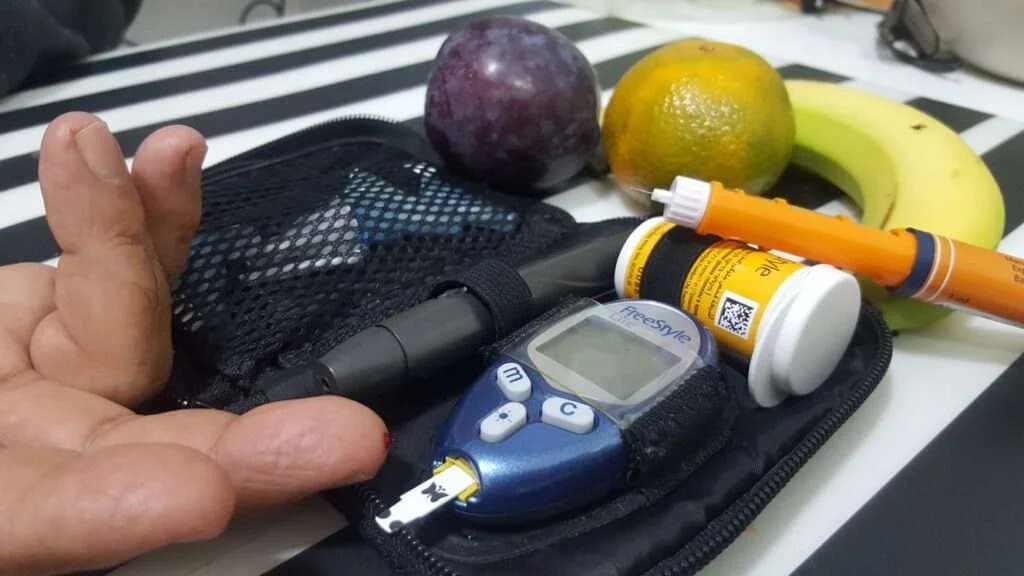
Featured image: Diabetes-related equipment in 2017, shown for illustration; not an instruction for testing or treatment. Photo: Ofek Abuhazira / Wikimedia Commons, CC BY-SA 4.0. Original photograph, unaltered.