Thanksgiving Leftovers: How to Store and Reheat Them Safely
USDA recommends refrigerating Thanksgiving leftovers within two hours, using chilled portions within three to four days, and reheating to 165°F.
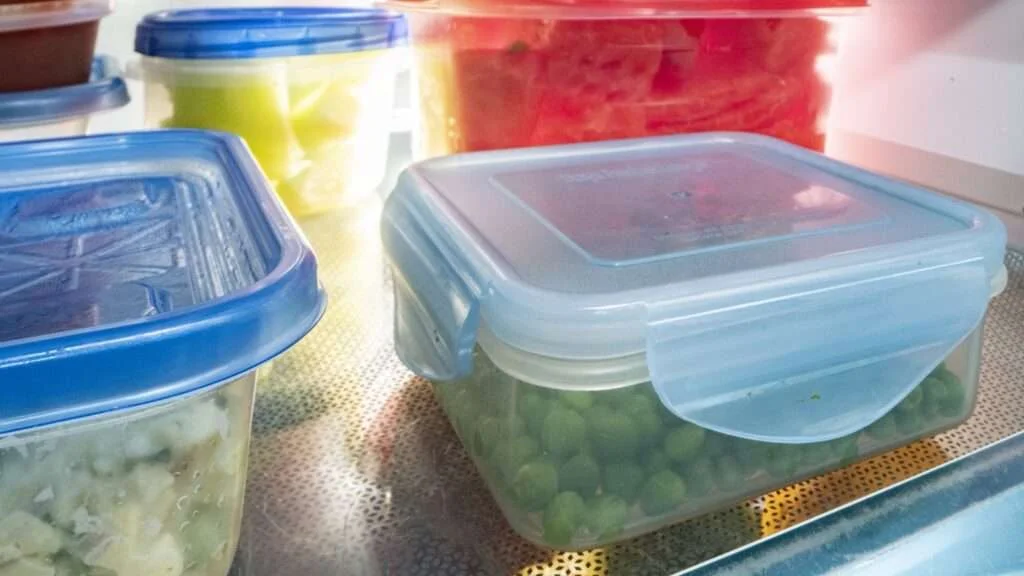
Thanksgiving falls on November 26 this year. If you plan to serve turkey, stuffing, or other perishable dishes, decide before dinner how you will cool and store what remains. The U.S. Department of Agriculture advises refrigerating leftovers within two hours and using refrigerated portions within three to four days.
That timeline starts at the meal. A casserole that sat out all afternoon needs a different decision from a dish that went into the refrigerator promptly. Keeping track of when each dish came off the table makes it easier to decide what to save, freeze, or discard.
You can do much of the work before guests arrive. Make room on a refrigerator shelf, set out shallow containers and lids, and decide how much turkey the household can realistically eat over the next few days.
Pack leftovers before the table is cleared
USDA guidance allows up to two hours for perishable food at room temperature. The limit falls to one hour when the temperature is above 90°F. Apply the rule to dishes such as cooked poultry, casseroles, and gravy as well as any perishable food guests brought along.
Use the time when a dish left hot holding or refrigeration as your reference. If everyone eats in shifts, keep track of the first time the serving dish came out. A second round of servings does not restart the clock.
Consider setting aside food for later before putting large dishes on the table. Keep the reserved portions chilled or properly hot until needed. Then replenish the serving dishes in smaller amounts so fewer portions spend the full meal on the table.
Discard perishable food that has gone beyond the time limit. Refrigeration slows bacterial growth, but it cannot undo the time a dish spent at room temperature. Appearance and smell cannot tell you whether it remained safe.
Divide large dishes into shallow portions
A whole turkey or a deep pot of gravy can take longer to cool than smaller portions. USDA recommends dividing leftovers into shallow containers to help the food cool quickly and evenly. Slice or separate larger pieces of turkey and pack them in portions you can use later.
Store sides separately when practical. A container of mashed potatoes or stuffing can go from the refrigerator to a suitable reheating dish without warming the rest of the meal. Smaller portions also make it easier for guests to take home an amount they can eat promptly.
Use covered containers and keep the refrigerator at 40°F or below. USDA says hot food can go directly into the refrigerator after you divide it into suitable portions. There is no need to wait for a deep dish to cool on the counter.
Write the date on each lid or on a piece of tape. If you are handing out portions at the end of dinner, tell guests when the food was packed so they can account for travel time. A long car ride calls for an insulated cooler and cold packs to keep perishable dishes chilled.
Choose what to eat and what to freeze
USDA gives refrigerated leftovers three to four days when they have been handled safely. Make a plan for the portions you expect to eat during that window. Freeze the rest if you want to keep it longer.
A Thursday meal refrigerated promptly can supply meals over the weekend. By Monday, a portion cooked and chilled on Thanksgiving is at the outer edge of the recommended refrigerator window. If the household will be away for much of the weekend, freezing portions on Thursday or Friday gives you more flexibility.
USDA recommends a freezer temperature of 0°F. Label frozen containers with the dish and the date. A few smaller containers let you take out enough for one meal and leave the rest frozen.
Reheat only what you plan to serve
Bring leftovers to at least 165°F and check the temperature with a food thermometer. USDA advises bringing sauces, soups, and gravies to a boil. If you are reheating a mix of foods, check thick or dense portions where the heat may take longer to reach the center.
In a microwave, cover the food and stir or rotate it so it heats evenly. Follow the standing time and check more than one spot if the serving is large. A dish can feel hot near the edge while the center is still below the target temperature.
If using the oven, USDA advises setting it to at least 325°F and checking the food itself for 165°F. The oven setting tells you how hot the air is, while the thermometer tells you whether the center of the food has heated enough.
Use the stove, oven, or microwave for reheating. USDA cautions that a slow cooker or chafing dish can take too long to bring cold leftovers up to temperature. Once reheated, serve the amount you need and keep the remaining portions chilled until you plan to use them.
Sources
- USDA guidance on cooling and storing leftovers
- USDA guidance on reheating food
- USDA leftovers and food safety
Illustrative photo by Lance Cheung, USDA, via Wikimedia Commons. Public domain, cropped. Original image · License