Wise Wife Cinnamon Recall: Lead Warning for 3.88-Ounce Jars
Wise Wife ground cinnamon with an April 25, 2027 best-before date is recalled over lead concerns. Check the package identifiers and refund instructions.
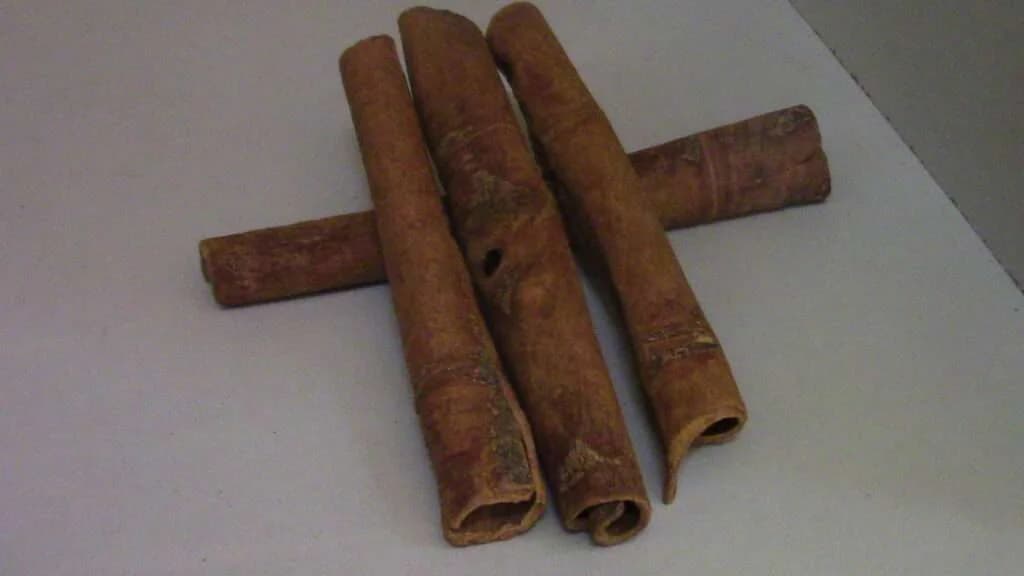
Featured image: Cassia cinnamon sticks, shown for illustration; these are not the recalled Wise Wife product. Photo: NanaYawBotar / Wikimedia Commons, CC BY-SA 4.0. Original photograph, unaltered.
SLR Food Distribution Inc. is recalling Wise Wife ground cinnamon over potentially elevated lead levels, according to an October 29 company announcement posted by the Food and Drug Administration. The affected spice was distributed to stores in 14 states.
For households checking kitchen supplies as November begins, the key identifiers are the brand, the container size and the best-before date. A package still within its printed shelf life can be covered by a recall, so the date should be used to identify the product rather than to assume it is safe.
The company said consumers should stop using the recalled cinnamon and either discard it or return it to the place of purchase for a full refund. Its announcement reported no illnesses at the time it was issued.
Which cinnamon is affected?
The recall notice identifies these package details:
- Brand: Wise Wife.
- Product: Ground cinnamon.
- Size: 3.88 ounces (110 grams).
- Container: Clear plastic, with a black screw-top cap.
- UPC: 0688474302754, printed on the back label.
- Best before: April 25, 2027.
The notice includes a product photograph to help consumers compare the label. Questions can be directed to SLR at 1-516-437-3782, Monday through Friday, 9 a.m. to 5 p.m. ET.
Why the lead warning matters
The FDA’s explanation of lead in food says the metal is toxic and can affect people of any age. The risk from contaminated food depends on factors including the concentration, how much and how often it is consumed, the duration of exposure and a person’s age.
Young children are especially vulnerable because their bodies and brains are developing. FDA describes potential effects during early development including learning and behavioral difficulties; that general guidance does not establish that anyone who used this particular product has experienced those effects.
The agency explains that environmental lead can enter the food supply through plants and animals. Its broader work aims to reduce exposure, particularly for young children, while preserving access to nutritious foods.
A product-specific recall and general information about contaminants serve different purposes. The recall identifies a particular item to remove from use, while the FDA’s background guidance explains why exposure is a concern.
No symptoms does not rule out exposure
The CDC says most children exposed to lead have no obvious immediate symptoms. That makes the absence of visible illness an unreliable way to decide whether a child has been exposed.
Parents who believe their child has been exposed should discuss that concern with the child’s healthcare provider, according to CDC. The provider can assess whether a blood lead test is needed; healthcare providers and many local health departments can perform testing.
CDC lists possible effects of childhood lead exposure on the brain and nervous system, growth, learning, behavior, hearing and speech. These are general risks of exposure, not reported outcomes from the Wise Wife recall.
The practical next step is to compare the package with the identifiers above and follow the recall instructions for a match. Medical questions about possible exposure belong with a healthcare professional.
This article is for general information and is not medical advice.