

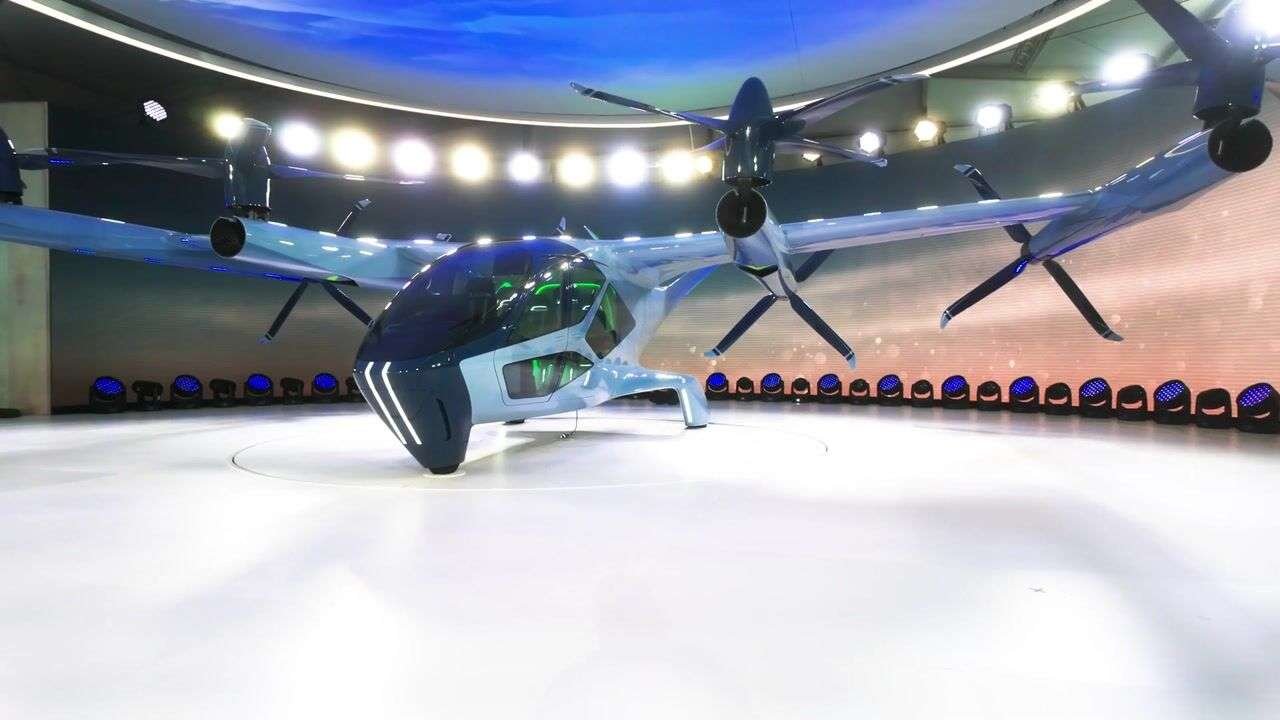
The Supernal eVTOL called S-A2 looked like one of the world’s most credible air taxi projects when Hyundai’s air mobility company unveiled it at CES 2024 in Las Vegas. It had big-company backing and a striking design, as well as a target date for commercial service: 2028.
Supernal S-A2 eVTOL product concept at CES 2024. Video: Supernal.
Less than three years later, the story looks very different. Supernal has paused the programme, and most of the workforce has since gone. Now, Hyundai is trying to restart its air taxi ambitions with a new partner.
Supernal eVTOL at a Glance
- Name: Supernal S-A2
- Maker: Supernal, Hyundai Motor Group’s advanced air mobility company
- Unveiled: CES 2024, Las Vegas
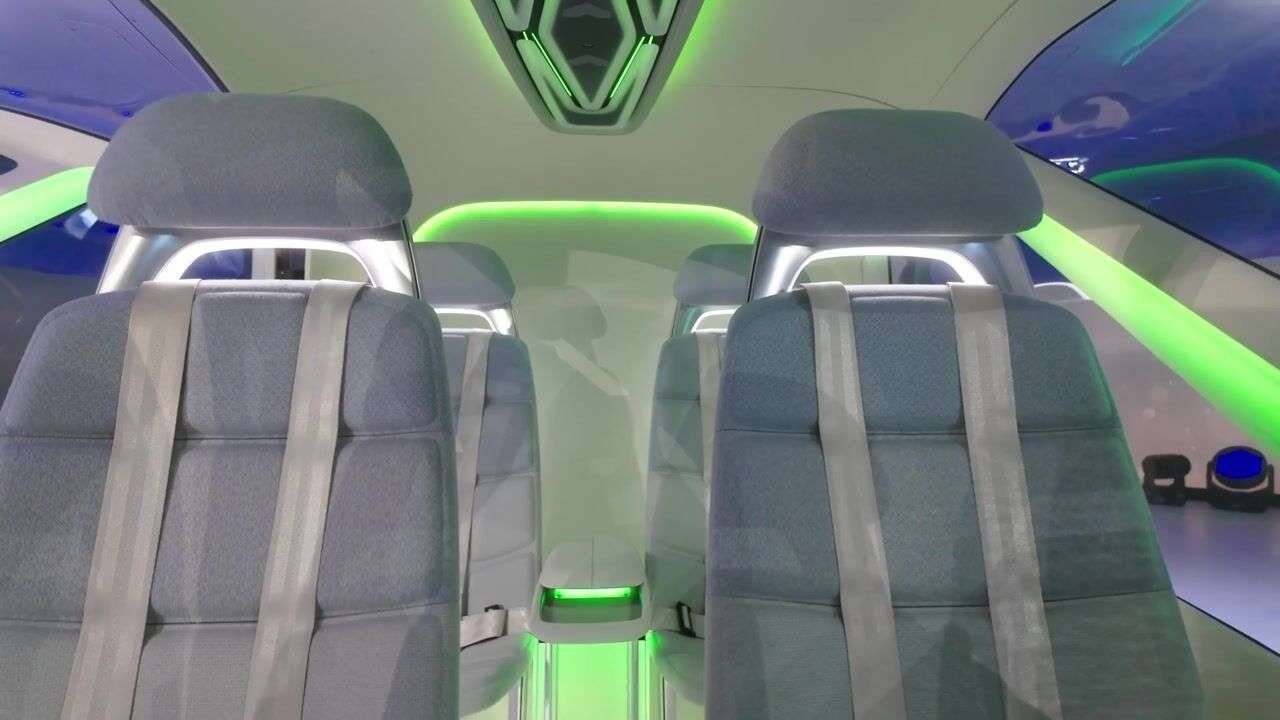
- Seats: one pilot and four passengers
- Speed: around 120mph cruise at 1,500ft
- Status: paused in 2025, with a restart planned with Korea Aerospace Industries
The CES Reveal
Supernal is Hyundai Motor Group’s air mobility business. Initially, it appeared at CES in 2020 with a vision concept called S-A1. Four years later, it returned with the S-A2, which it described as a product concept meant to become a real commercial aircraft.
The company showed the vehicle inside a full-scale vertiport exhibit next to the West Hall of the Las Vegas Convention Center. There, visitors could see the aircraft and take a simulated flight over Los Angeles. They could also learn how vertiports might link up with other transport in a city.
In other words, the aim was to show a complete system for moving people across crowded cities, not just an aircraft.
How the Supernal eVTOL Was Designed
The S-A2 is an electric vertical take-off and landing aircraft. It carries a pilot and four passengers.
It uses a V-tail and eight electric rotors, all of which tilt between vertical lift and forward flight. According to Supernal, it would cruise at around 120mph at 1,500ft, on city trips of roughly 25 to 40 miles.
Its look, meanwhile, came from a joint effort. Supernal’s aerospace engineers worked with Hyundai’s car designers, and the group’s design chief, Luc Donckerwolke, described the result as auto meeting aero. Indeed, the S-A2 looks more like a concept car than a helicopter.
Moreover, Hyundai hoped its mass-production skills would give Supernal a key advantage. After all, building aircraft at scale, and at a sensible cost, is one of the biggest challenges in the eVTOL industry. So, in theory, a carmaker should be well placed to solve it.
Supernal eVTOL Key Facts
| Detail | Supernal S-A2 |
|---|---|
| Unveiled | CES 2024, January 2024 |
| Occupants | 1 pilot, 4 passengers |
| Rotors | 8, all tilting |
| Tail | V-tail |
| Cruise speed | About 120mph |
| Typical trip | 25 to 40 miles |
| Original service target | 2028 |
Why the Supernal eVTOL Stalled
Then problems started in 2025. Supernal had begun testing a demonstrator aircraft, so the programme was moving forward. However, in September, chief executive Jaiwon Shin and chief technology officer David McBride both left. Shin, a former NASA official, had led the company since its creation.
Supernal then paused work on the aircraft. It said new leaders would decide the right timeline for a commercial launch, so the 2028 target was effectively under review.
Worse followed in February 2026, when Supernal cut 296 jobs, or about 80% of its staff. In particular, the layoffs hit its headquarters in Irvine, California, a site in Fremont and its test base at the Mojave Air & Space Port. Even so, the company insisted it was not shutting down.
A New Partner for the Supernal eVTOL
In May 2026, Hyundai Motor Group signed a memorandum of understanding with Korea Aerospace Industries (KAI), South Korea’s main aircraft maker. Together, they plan to develop an advanced air mobility aircraft.
Under the plan, Supernal will lead design and engineering, while KAI brings experience in aircraft development, certification and industrial production. Hyundai and KAI will also work on electric aviation powertrains, and the deal covers supply chains and customer networks too.
So far, though, neither side has said when development will restart, how many people it will hire or how much new funding it will commit.
A Tough Industry
Overall, Supernal’s troubles reflect wider problems across the eVTOL sector. For one thing, certification is slow and expensive. Batteries still limit range and payload, and investors have grown less patient.
Germany’s Lilium, for example, collapsed under financial pressure, while several other start-ups have scaled back. At the same time, a few companies, including Joby Aviation, are still pushing towards certification and passenger service.
What Happens to the S-A2?
For now, it is still not clear whether the aircraft from the Hyundai and KAI partnership will look like the S-A2 shown at CES. The design could also change significantly.
Nevertheless, the CES concept showed how seriously Hyundai took urban air mobility. Whether that vision reaches the sky now depends on the new partnership turning a paused programme into a working Supernal eVTOL.
Frequently Asked Questions
What is the Supernal S-A2?
It is an electric vertical take-off and landing air taxi concept from Supernal, Hyundai Motor Group’s air mobility company. It seats a pilot and four passengers.
Is the programme cancelled?
No. Supernal paused the aircraft in 2025 and then cut most of its staff in 2026. Hyundai then signed a partnership with Korea Aerospace Industries in May 2026 to restart development.
When will it carry passengers?
So far, there is no confirmed date. The original target was 2028, but Supernal has said new leadership will set a new timeline.
Sources
How we reported this: we based this article on official statements from Supernal and Hyundai Motor Group and on reports from the outlets below. Performance figures are manufacturer estimates for a concept aircraft. Last updated 19 October 2026.
- Hyundai: Supernal debuts eVTOL product concept at CES 2024
- Hyundai Motor Group: MoU with Korea Aerospace Industries
- Orange County Business Journal: Supernal cuts 80% of workforce
- AirData News: Hyundai and KAI move to revive Supernal
- Ellectric: Supernal S-A2 specifications
